

Understanding the Importance of Waist Measurement
In the realm of fitness and health, keeping track of your waist circumference might be one of the simplest yet most effective measures of your overall condition. As athletes, strength-training enthusiasts, and health-conscious individuals, understanding why this measurement matters is essential in crafting your fitness journey. Unlike standard measurements that focus solely on weight or Body Mass Index (BMI), measuring your waist provides valuable insights into your visceral fat — the harmful fat that lurks around your internal organs.
The Correct Method: Step-by-Step Guide
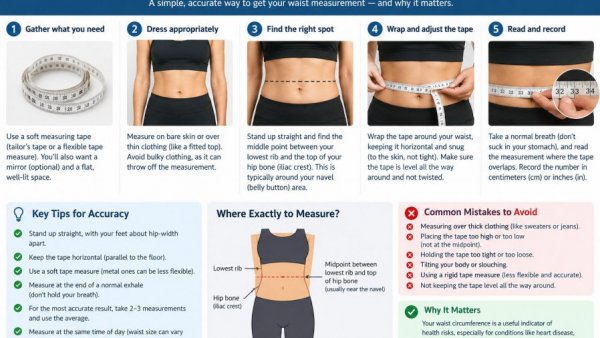
To accurately measure your waist, follow these straightforward steps: First, secure a non-stretch measuring tape. Stand upright with a relaxed posture; this ensures precision. Place the tape around your abdomen at the level of your belly button, ensuring it is snug but not constricting. Inhale normally and exhale fully, reading the measurement at the end of the exhale. For consistency, do this first thing in the morning, after using the bathroom but before eating or drinking. A meal or fluid intake can significantly skew your results.
Why Waist Circumference Matters More Than You Think
The accumulation of visceral fat poses critical risks to health, including higher chances of high blood pressure, type 2 diabetes, and heart disease. Studies have indicated that with every additional 5 centimeters of waist circumference, associated mortality risks increase significantly across genders irrespective of BMI. This connection emphasizes how waist size is a potent indicator of potential health issues, especially among those whom BMI often misclassifies as healthy.
Comparative Analysis: Waist Measurement vs. BMI
Body Mass Index (BMI) has long been the standard tool for assessing body weight relative to height; however, it has its limitations. BMI fails to differentiate between muscle and fat mass, leading to misleading categorizations. While a person might fall within a healthy BMI range, they could still have an unhealthy level of body fat concentrated around the abdomen. Research suggests that up to 39% of adults classified as healthy by BMI may, in fact, have obesity when their body fat is accurately measured. Consequently, integrating waist circumference as an essential parameter offers a more nuanced understanding of health.
The Broader Implications: Health in the Context of Fitness
For athletes and fitness enthusiasts, knowledge about waist measurement translates into actionable insights. By monitoring this metric, you can better tailor your strength training and nutritional strategies for optimal performance and health. Implementing an evidence-based approach to fitness helps you navigate between muscle building and fat loss effectively, ensuring that your athletic performance remains uncompromised.
Practical Tips for Incorporating Waist Measurement into Your Routine
Consistency is key in tracking waist circumference. While daily measurements can fluctuate due to various factors, setting a weekly schedule can help you gauge your progress accurately over time. Integrate your waist measurement within your overall fitness routine, perhaps alongside check-ins for strength gains or improvements in mobility. Observing these correlated changes can motivate you to adjust your exercise programming, potentially focusing on resistance training or nutritional enhancements that align with your fitness goals.
Key Takeaways: Action Steps for Health Conscious Individuals
To optimize your health and performance, consider assessing your waist circumference regularly. The insights gained might encourage modifications in your training or eating habits, helping to mitigate health risks associated with visceral fat. With waist measurement acknowledged as a 'vital sign' by an international expert consensus, embracing this practice empowers you to take charge of your health journey.
By understanding the nuances of your waist circumference alongside other metrics, you're well-equipped to pursue a healthier, stronger self. Continually educate yourself on fitness research and practices that elevate your health and performance.




Write A Comment