

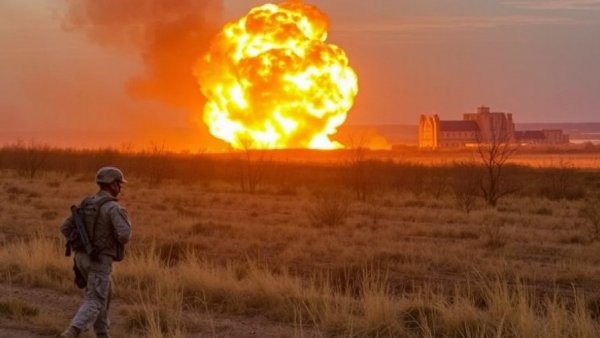
Understanding the Bomb-Making Chemical Detonation in Iowa
On Wednesday, a controlled explosion occurred at the Iowa Army Ammunition Plant, where nearly 5 tons of unstable bomb-making chemicals were detonated. This decisive action was deemed necessary by federal officials, as the materials had degraded, posing potential risks of an uncontrolled explosion due to chilling temperatures or attempts at chemical neutralization. Area residents and environmentalists had expressed valid concerns, particularly about potential lead dust spreading throughout the region, affecting local families.
Positive Early Signs from Environmental Monitoring
Post-detonation reports are showing encouraging signs. The Environmental Protection Agency (EPA) confirmed that lead levels were undetectable more than 30 minutes after the explosion, indicating a lower health risk than initially feared. EPA Administrator Lee Zeldin assured the public, stating, "Our initial monitoring has shown no lead present in the air, which is promising for the local communities.” This gives some reassurance to families who were concerned about their safety and the potential health implications, especially for children and pregnant women.
Local Sentiment and Historical Context
Local sentiment regarding the detonation appears mixed. While some residents like 89-year-old elk rancher Henry Bohlen, who lives just a few miles away from the plant, were largely unconcerned, stating, "I don’t think it’s that big a deal," others expressed worries about the explosion's environmental impact. The Iowa Army Ammunition Plant has a lengthy history, having contributed to nuclear weapon construction from 1947 to 1975, which adds a layer of complexity to the current safety discussions. Residents have grown accustomed to periodic explosions from the plant, making this recent detonation another chapter in a longstanding relationship between the facility and the community.
Health Implications of Lead Exposure
Lead exposure, even at minimal levels, poses significant health risks. According to health experts, it can affect brain development in children and lead to severe complications in pregnant individuals. These concerns are vital as families navigate their daily lives in the surrounding areas. By recognizing and acknowledging these risks, communities can better advocate for safety measures and push for transparency about environmental impacts from military operations.
Moving Forward: Community Safety and Informed Choices
As the dust settles from the detonation, it’s essential for families in Iowa and surrounding regions to remain vigilant and informed about environmental health issues. Engaging in community dialogues, advocating for comprehensive monitoring, and staying updated on reports can lead to more robust safety measures in the future. Families can make healthier choices by prioritizing well-being and staying connected with local health information.
Staying proactive about community health and environmental safety can empower families to advocate for themselves and future generations. If you're interested in learning more about how to engage with local health initiatives, please reach out to local environmental organizations and participate in community events focused on health and safety.




Write A Comment