
cropper
D F W  COMMUNITY NEWS/LOCAL INFO
  • Home
    • Vegetarian Eating
  • Categories
    • lifestyle
    • community
    • events
    • scenery
    • activities
    • culture
    • cuisine
    • recreation
    • Health and Wellness
    • School
    • Shopping
August 08.2026
2 Minutes Read

Mastering Healthcare Expenses After Retirement: Essential Insights for Seniors

Elderly woman calculating healthcare expenses after retirement.

Understanding Healthcare Expenses After Retirement

As retirement approaches, many older Americans feel unprepared for the healthcare expenses that lie ahead. According to financial experts, planning for these costs is crucial for ensuring long-term financial security. Healthcare can be one of the most significant expenses in retirement, often surpassing even housing costs.

Key Strategies for Managing Costs

Jill Schlesinger, a notable finance expert, outlines several strategies to navigate these challenges effectively. First is purchasing long-term care insurance, which can mitigate the financial burden if major health issues arise. Additionally, enrolling in Medicare early can provide essential coverage, making healthcare services more affordable.

The Importance of Preventive Care

Preventive care plays a vital role in reducing overall healthcare costs. Engaging in regular check-ups and screenings can identify potential health issues before they become serious, ultimately saving money in the long run. Staying active and maintaining a balanced diet also contribute significantly to overall well-being.

A Personal Approach to Wellness

Health trends are constantly evolving, and it’s essential to stay informed. For instance, programs promoting healthy eating, such as the access to nutritious local foods in the Dallas Fort Worth area, can help retirees maintain a healthy lifestyle without breaking the bank. Community resources often play a crucial role in assisting older adults to lead healthier lives, from fitness classes tailored to seniors to nutritious meal plans.

Looking Ahead

Ultimately, navigating healthcare expenses after retirement involves a blend of preparation, education, and proactive health management. With the right strategies in place, retirees can manage their healthcare costs more effectively and enjoy their golden years with confidence.


Health and Wellness

3 Views

0 Comments

Write A Comment

*
*
Please complete the captcha to submit your comment.
Related Posts All Posts
11.07.2026

Discover How Diet and Exercise Can Reverse Type 2 Diabetes

Update Unpacking Early-Onset Type 2 Diabetes Type 2 diabetes is increasingly becoming a concern for younger adults, with an estimated 38 million Americans affected by the condition. A study recently published in The Lancet Regional Health – Americas addressed the efficacy of intensive weight loss and structured exercise in patients aged 18 to 45 diagnosed with type 2 diabetes. This study emphasizes the alarming trend of early-onset diabetes where its complications can lead to severe health risks, such as heart disease and kidney failure, especially if left untreated. Dr. Leana Wen, a CNN wellness expert, highlights that early-onset type 2 diabetes progresses faster and poses a greater danger than later-onset diabetes, primarily due to the prolonged exposure to elevated blood sugar levels in younger patients. Weight Loss and Structured Exercise: The New Approach Previous research has established that significant weight loss can lead to diabetes remission, but much of it focused on older populations. This recent trial was aimed explicitly at younger adults, evaluating whether a comprehensive diet and exercise program could yield improvements for this demographic. The 96 participants were divided into two groups: one received intensive lifestyle intervention, while the other continued standard medical care. After six months, 54% of those in the intervention group achieved diabetes remission, an impressive figure compared to just 4% in the standard care group. This stark contrast sheds light on the potential effectiveness of combining a stringent dietary approach with exercise for younger adults facing type 2 diabetes. The Study's Framework: What Does It Entail? Participants following the intensive program faced strict calorie limits initially, limited to 800 to 900 calories daily, which included meal replacements before gradually reintroducing solid foods. This approach was paired with both aerobic and strength-training exercises, proving essential in not only losing weight but also in maintaining muscle mass during the weight-loss phases. Monitoring by healthcare professionals was a critical component throughout the program, adjusting treatment as necessary. Considerations and Practical Insights While this study offers significant hope, particularly for families in the Dallas Fort Worth area grappling with health issues, it also presents challenges. The calorie restrictions and exercise regimen may not be feasible for many individuals. Understanding these intensive requirements is vital for those looking to replicate the study's outcomes. It’s crucial to discuss any significant lifestyle changes with a healthcare provider to ensure they are both safe and effective for individual situations. Conclusion: Taking Steps Towards Healthier Lifestyles The findings of this research bring a promising outlook to the management of early-onset type 2 diabetes. As communities embrace healthier eating habits and exercise routines, it becomes essential to grasp these insights and apply them practically. To learn more about personalized dieting methods or exercise routines that could help in diabetes prevention, reach out to your local health specialists or nutritional coaches. Remember, proactive steps today lead to healthier tomorrows!

11.06.2026

Exploring AI in Healthcare: Are Patients Ready to Trust It?

Update AI in Healthcare: What Patients Really Think As artificial intelligence continues to advance, many Americans are left wondering how much of it they want in their medical care. Recent findings by the Pew Research Center reveal that while patients are generally receptive to the use of AI for administrative tasks, such as scheduling appointments and translating notes, they draw the line at trusting AI for crucial decisions like diagnoses and insurance claims. According to the survey, over half of those polled expressed comfort with AI analyzing medical scans and lab results—but with a stipulation: they prefer human oversight to ensure accuracy. This reflects a growing concern among patients about their health and the human interaction they value in medical environments. The Role of Trust in Patient Care Galen Stocking, of Pew Research Center, emphasized the importance of transparency in the use of AI. Notably, 46% of respondents were uncertain if AI was ever used in their care, leading to questions about safety and reliability. This sentiment is echoed by the 60% who expressed discomfort with doctors relying on AI for diagnosis and treatment decisions. The fear that AI could undermine the doctor-patient relationship adds another layer to the conversation. Evaluating AI's Place in Healthcare While 37% believe AI might enhance health outcomes, nearly the same proportion fears that it could diminish the quality of care. This division reflects a broader hesitation toward technology in sensitive areas like health, where human empathy and understanding play vital roles. As the dialogue persists, it will be essential for healthcare providers to communicate openly about AI’s capabilities and limitations, reassuring patients and building trust. Looking Ahead As AI technology evolves, the healthcare landscape may transform, but it's clear that many patients still seek human judgment in critical decisions. The challenge will be for healthcare systems to respect patient preferences while harnessing the advantages of AI to improve outcomes.

11.05.2026

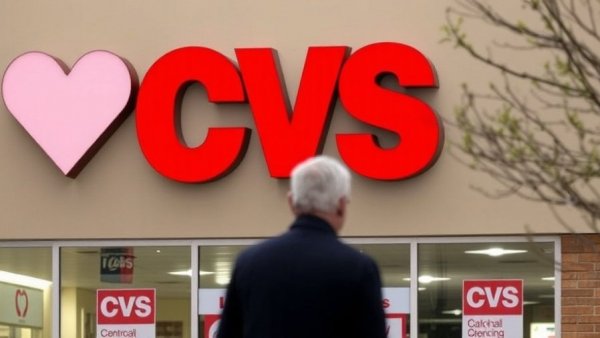
CVS Splits into Two Companies: What Families in DFW Should Know

Update CVS Splits: A Pivotal Change in Healthcare In an unexpected move, CVS Health announced it will split into two distinct companies. This significant shift marks one of the biggest changes in the healthcare industry, unpicking a strategy that began with substantial mergers like the 2018 acquisition of Aetna for $69 billion. According to CVS CEO David Joyner, this split is a strategic decision to enhance efficiency, creating a focused retail business under CVS Pharmacy and a healthcare segment that retains the name CVS Health in the interim. Understanding the Implications of the Split The split aims to provide clarity and operational efficiency in a landscape where healthcare services are increasingly integrated yet often criticized for driving up costs. While CVS’s retail operations, which include 9,000 pharmacies and MinuteClinics, will operate independently, the newly formed company focusing on health insurance and benefits management is expected to streamline operations further. Importantly, this move isn’t projected to affect customer interactions significantly; shoppers will continue accessing services without interruption. Impact on Patients and Healthcare Costs The decision to split reflects a broader contention against the consolidation trends seen in the healthcare sector, which some argue stifles competition and exacerbates costs. Consumer advocacy groups and lawmakers have scrutinized large conglomerates, prompting discussions about breaking them up. CVS's latest decision embodies a reconsideration of those mega-structures, as the firm recognizes the need to enhance patient access and potentially lower costs. Consumer Behavior and Competitive Landscape As CVS navigates this split, it faces growing pressures from competitors, particularly online retailers like Amazon which are reshaping how consumers access pharmacy services. Michael Cherny, a market analyst, noted that while the news may come as a shock, it opens up new opportunities for CVS Pharmacy, potentially strengthening its position in the standalone retail space despite the rise of digital competitors. Local Relevance for Dallas Fort Worth Families For families in the Dallas Fort Worth area, this shift is noteworthy not only for its implications for healthcare but also for its potential impacts on local pharmacy services. With CVS operating numerous outlets in the region, families can expect consistent access to pharmacy services even as the company undergoes changes. The ongoing focus on customer experience amidst this split suggests that local CVS stores will continue to prioritize health services and accessibility for residents. Final Thoughts: Navigating Change in Healthcare The planned separation of CVS Health is more than a corporate shuffle; it's a reflection of shifting dynamics in the healthcare landscape. While some may worry about what this means for services and costs, many factors are at play that could enhance options for consumers in the long run. As CVS splits into two companies, it’s closely watched by consumers and shareholders alike—preparing for continued evolution in how healthcare services and pharmacy business adapt to meet patient needs.

Local Pulse News

DFW NEWS Community Media is your local source for what's happening in and around Southlake, Texas. Discover community news, local businesses, restaurants, events, food and recipes, lifestyle ideas, family activities, home tips, and helpful information for living, working, and enjoying life in Southlake and the surrounding area.

For More info call
Tod R Margolis
Senior Editor DFW NEWS
401-258-7619

AVAILABLE FROM 8AM - 5PM

City, State

3336 Brittany Drive, Flower Mound, TX

ABOUT US

A Local View of What's happening!

© 2026 CompanyName All Rights Reserved. Address . Contact Us . Terms of Service . Privacy Policy

Terms of Service

Privacy Policy

Core Modal Title

Sorry, no results found

You Might Find These Articles Interesting

T
Please Check Your Email
We Will Be Following Up Shortly
*
*
*