

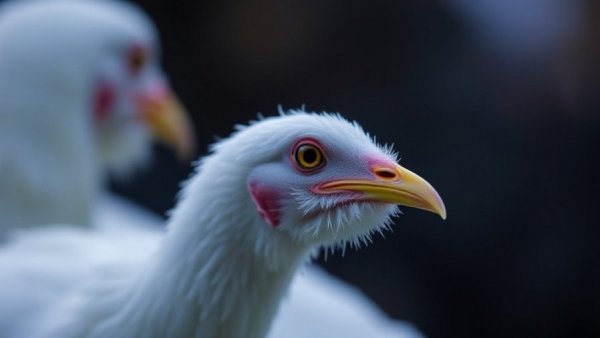
Understanding the Risks: What This Bird Flu Death Means for Families in Washington
The recent passing of a Yakima County resident due to bird flu complications has raised concerns amongst families in Washington state. This marks the first confirmed death attributed to avian influenza in the US in 2026, and the third since early 2024, when the virus was detected in dairy cattle. With the ongoing monitoring by health officials, it’s essential to discern how this situation may affect our community and overall well-being.
Historical Context: The Rise of Bird Flu
Avian influenza, specifically the H5N1 strain, has posed threats to both poultry and humans for several years. The first documented human cases in the U.S. began appearing nearly two years ago when a sudden leap in virus transmission from birds to dairy cows was noted. This significant shift underscores the complex relationship between agricultural practices and public health. In the context of Yakima County, where dairy farming is prevalent, understanding the interplay of animal health and disease transmission is vital for local families.
Public Health Response: Ensuring Safety for Local Workers
Local health officials, including Dr. Dave Atteberry of the Yakima health district, are proactively engaging with dairy workers to mitigate risks. By implementing daily health screenings and encouraging the use of protective equipment, they are aiming to contain any further spread of the virus. This diligent effort highlights the importance of community responsibility in safeguarding health, particularly in high-risk environments like farms.
Connecting the Dots: How Bird Flu Intersects with Seasonal Illnesses
Experts have pointed out that the recent spike in bird flu cases among dairy cattle has coincided with the early onset of seasonal influenza in the region. Dr. Jennifer Nuzzo from Brown University warns that such overlaps may render the H5N1 virus more adaptable to humans if mutations occur. This situation serves as a vital cue for families to remain vigilant, emphasizing the need for awareness not only about bird flu but also about the general flu season.
Your Health Matters: What You Can Do
For families in Washington, it's critical to stay informed about both bird flu and seasonal flu symptoms, including cough and fever. Health officials recommend that anyone working in agriculture report symptoms early and practice good hygiene to minimize risk. Additionally, ensuring that your family has proper vaccinations against seasonal flu can also help in reducing health risks.
Looking Ahead: Preparing for the Future
As the landscape of avian influenza continues to evolve, families must be proactive in their health choices. Keeping connected with local health announcements, encouraging sick family members to seek immediate care, and discussing vaccination options with healthcare providers can help mitigate risks associated with these viruses. Awareness and education will pave the way for better community health outcomes, emphasizing the importance of informed choices.




Write A Comment