

Rethinking Body Measurement: Why BMI Falls Short
For decades, Body Mass Index (BMI) has been the go-to metric for determining whether individuals were at a healthy weight. But this simplistic formula, which dates back to the 1830s, measures weight related to height without providing any insight into body composition. As a result, individuals with a significant amount of muscle may be misclassified as overweight or obese, leading to detrimental recommendations regarding health and fitness.
Understanding DEXA Scans: A Deeper Dive into Body Composition
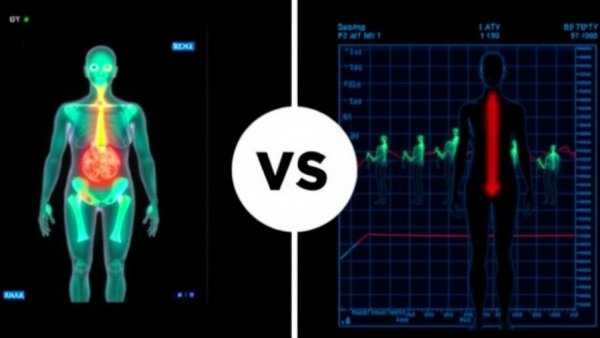
In contrast, the DEXA (Dual-Energy X-ray Absorptiometry) body composition scan offers a comprehensive analysis that goes beyond the scale. It not only measures bone density but also breaks down fat and lean mass percentages. DEXA provides a clearer picture of where fat is distributed in the body, helping to identify areas of stubborn fat that may be challenging to address through diet and exercise alone. This detailed insight can essentially aid those interested in non-surgical body sculpting and non-invasive body sculpting treatments, such as Emsculpt NEO, which target localized fat reduction and muscle building.
The Limitations of BMI: More Than Just a Number
While BMI gives a rough estimate of potential health risks, it lacks the nuance needed for personalized wellness. For example, two individuals with the same BMI can have vastly different body compositions. One might have a high degree of muscle mass, indicating good health, while the other may have a high percentage of body fat, indicating potential health risks. With the rise of body contouring and anti-aging treatments, understanding one’s unique body composition is essential for effective weight loss and fat reduction strategies.
Dexa vs. BMI: Implications for Weight Loss and Wellness
As interest in wellness and anti-aging grows, individuals are seeking more than just weight loss—they desire body transformation. A DEXA scan can offer invaluable insights for medical weight loss programs. By providing precise measurements, this technology allows for tailored action plans that can incorporate muscle building or skin tightening treatments to achieve desired fitness goals effectively.
The Future of Body Measurement: Moving Towards Personalized Wellness
The shift from BMI to more sophisticated measurements like DEXA signifies a broader trend in the wellness industry: the move towards personalized health solutions. As awareness of metabolic health and hormone optimization increases, individuals can better predict and achieve their wellness goals with actionable insights derived from accurate body composition data. This is particularly relevant for those exploring innovative cosmetic treatments and skincare solutions to enhance their overall health.
Key Takeaways: Why Choosing the Right Measurement Matters
Understanding the differences between BMI and DEXA scans can empower individuals on their health and wellness journeys. Relying solely on BMI can lead to misguided health decisions, whereas embracing the detailed information from a DEXA scan can unlock more effective body transformation strategies. In addition, knowledge is power; familiarizing oneself with body composition metrics helps motivate positive lifestyle changes and could lead to more successful outcomes, whether it’s through Emsculpt or similar treatments aimed at fat reduction and muscle toning.
Choosing the right measurement isn’t just about looking good; it’s about feeling good, achieving longevity, and optimizing health for the future. Educating yourself about your body and its unique needs can unlock a sense of empowerment that transcends traditional scales.




Write A Comment